


Table of Contents
1. Why Construction Sites Are High-Risk Targets
2. 10 Practical Strategies to Reduce Theft & Vandalism
-
- Secure the Perimeter
- Install Adequate Lighting
- Use Monitored Cameras with AI Detection
- Control Access and Track Entrants
- Lock Up Tools and Equipment
- Create a Site Layout That Deters Crime (CPTED)
- Rotate Material Deliveries and Limit Stockpiling
- Hire On-Site Security (and Alternatives)
- Use Deterrent Signage
- Train Workers and Report Suspicious Activity
3. Conclusion
4. Frequently Asked Questions (FAQ)
Why Construction Sites Are High-Risk Targets
Reducing Theft & Vandalism at Construction Sites is an important topic. Construction sites are high-value targets for these types of crimes. From tools and materials to fuel and heavy machinery, millions of dollars’ worth of assets are often left exposed overnight or on weekends. In fact, according to the National Equipment Register, construction site theft costs the U.S. construction industry up to $1 billion annually.
But here’s the good news: with smart planning and the right mix of technology, habits, and design, you can drastically reduce your site’s vulnerability.
10 Practical Strategies To Reduce Theft And Vandalism
1. Secure the Perimeter
Start with strong physical barriers:
- Install fencing at least 6 to 8 feet high with minimal gaps.
- Use locked gates with heavy-duty chains or padlocks.
- Consider anti-climb fencing or barbed wire for high-risk areas.
Tip: Install No Trespassing or Security signs.
2. Install Adequate Lighting
- Well-lit sites are less attractive to criminals.
- Use motion-activated floodlights at entry points, storage areas, and blind spots.
- Consider solar-powered lighting for remote or temporary sites.
- Light should cover all corners without creating deep shadows.
3. Use Monitored Cameras with AI Detection
Modern CCTV systems equipped with AI analytics can:
- Detect human motion (not just animals or debris)
- Send real-time alerts but they have to be monitored to be effective
- Automatically record and store events
4. Control Access and Track Entrants
Limit who can enter and when:
- Use badge systems, keypads, or mobile access apps
- Log all entries and exits
- Provide access only to authorized personnel and subcontractors
Bonus: Mobile check-in systems also help with compliance tracking.
5. Lock Up Tools and Equipment
At the end of the workday:
- Store tools in lockable containers or tool chests
- Use GPS trackers or immobilizers on vehicles and heavy machinery
- Chain or anchor high-value items to immovable objects
Pro Tip: Engrave tools with a company ID to deter resale.
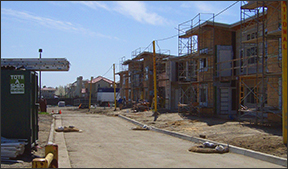
6. Create a Site Layout That Deters Crime
Crime Prevention Through Environmental Design (CPTED) can reduce risk:
- Keep valuable materials away from the perimeter
- Use natural or camera-based visibility across the site
- Minimize hidden areas behind trailers or temporary structures
7. Rotate Material Deliveries and Limit On-Site Stockpiling
Reduce temptation:
- Schedule material drop-offs in phases
- Avoid stockpiling valuable items like copper wiring, fuel, or appliances
- Store bulk materials in locked or camera-monitored zones
8. Hire On-Site Security
Visible security personnel—even for a few overnight hours—can have some deterrent effect.
Options include (cost and effectiveness varies):
- Licensed guards (limited effectiveness)
- Mobile patrol vehicles (less effective than guards)
- Remote video monitoring services (pick only the top providers for real effective results)
9. Use Deterrent Signage
Install deterrent signs and other devices.
- Install motion detectors on trailers or containers
- Place “24/7 Surveillance” or “GPS Tracked Equipment” signs at entrances
- Consider using dummy cameras and decoys as budget-friendly deterrents
10. Train Workers and Report Suspicious Activity
Your team is your first line of defense.
- Train workers to lock up and report strange behavior
- Establish a checklist for daily closeout procedures
- Create a no-exceptions rule for signing equipment in and out
Conclusion
No single solution will eliminate construction site theft or vandalism 100%—but a layered approach works best. By combining physical security, access control, team accountability, and smart surveillance, you can significantly reduce losses and downtime. Reducing theft and vandalism at construction sites is very achievable.
Among all the strategies, we recommend using Jatagan’s surveillance units with monitoring as the cornerstone on a job site for the following reason:
Jatagan is the #1 outdoor video security service provider in the industry. We consistently deliver the highest crime prevention success rate more cost effectively than our competitors, saving you money while getting the very best results!
Frequently Asked Questions (FAQ)
Why are construction sites such common targets for theft and vandalism?
Construction sites often contain high-value tools, materials, fuel, and equipment—many of which are left unattended overnight and on weekends. They also tend to have temporary boundaries, limited lighting, and frequent personnel changes, which makes them easier to exploit.
How much does construction site theft cost the industry?
According to the National Equipment Register, construction site theft costs the U.S. construction industry up to $1 billion annually. These losses include stolen equipment, materials, downtime, and replacement delays.
What’s the most effective way to prevent construction site theft?
A layered approach works best. The most effective strategies combine:
-
perimeter control (fencing + gates)
-
strong lighting
-
monitored surveillance with fast response
-
secure storage and equipment controls
-
worker accountability and closeout routines
No single tactic is perfect, but layering creates multiple barriers that criminals avoid.
Are cameras alone enough to stop theft?
Not usually. Cameras that only record may help after an incident, but they often don’t prevent crime. Live-monitored cameras with AI detection and deterrence are far more effective because they can identify suspicious activity in real time and intervene before loss occurs.
What should be the first priority when securing a job site?
Start with the perimeter:
-
install 6–8 ft fencing
-
lock all entry points
-
reduce gaps and easy access routes
-
add clear warning signage
A secure perimeter buys time, increases deterrence, and guides camera and lighting placement.
What type of lighting works best for construction sites?
Motion-activated floodlights are highly effective at entry points, storage zones, and blind spots. For remote sites, solar-powered lighting can be a strong option. The key is consistent coverage without creating deep shadows or glare.
How do AI-enabled cameras help reduce theft and false alarms?
AI detection can identify and classify activity, distinguishing between humans, vehicles, and non-threat motion (like animals or wind-blown debris). This reduces false alarms and makes alerts more accurate—especially important for active sites with frequent movement and changing conditions.
Should construction sites stockpile materials or stagger deliveries?
Stagger deliveries whenever possible. Stockpiling high-value materials—like copper wire, fuel, and appliances—creates tempting targets. Scheduling drop-offs in phases and storing materials in locked, monitored zones helps reduce opportunity and loss.
What are practical ways to protect equipment and tools overnight?
Effective strategies include:
-
lockable tool chests and containers
-
chained/anchored high-value items
-
GPS trackers and immobilizers for vehicles and machinery
-
marking/engraving tools with company ID
-
strict sign-in/sign-out procedures
The goal is to make theft difficult, time-consuming, and risky.
Are security guards always worth the cost?
Not always. Guards can help, but cost and consistency vary widely. Many sites see better results by combining:
-
deterrent lighting and signage
-
secure storage
-
live video monitoring with active deterrence
-
patrols only when needed
The most effective solution depends on risk level, site layout, and budget.
What role do workers play in preventing theft and vandalism?
Workers are a critical first line of defense. Training, daily closeout checklists, and clear accountability reduce accidental security gaps. When everyone knows procedures and reports suspicious behavior, criminals have fewer opportunities.
What’s the bottom line for reducing construction site theft and vandalism?
Construction site theft and vandalism are highly preventable when you apply layered security: strong perimeter control, lighting, access tracking, secure storage, and monitored surveillance. Consistency matters—small lapses are what criminals exploit.