


Table of Contents
-
Overview
-
What Is Live Video Monitoring?
-
Why Many Are Choosing Live Monitoring Over Guards
-
Cost Savings
-
Better Coverage
-
Faster Response
-
Reliable and Consistent
-
-
Where Security Guards Still Shine
-
The Hybrid Approach: Technology + Human Presence
-
Real-World Example
-
Conclusion: Is Replacement Inevitable?
-
Frequently Asked Questions (FAQ)
Overview
In an age of rapid technological advancement, security is no exception to the innovation wave. One question we hear more often from property owners, construction managers, and facility directors: “Is live video security monitoring replacing security guards?”
The short answer? In many cases, yes—but not entirely. Let’s explore how live video monitoring is transforming the security landscape and whether it’s truly replacing the role of on-site guards.
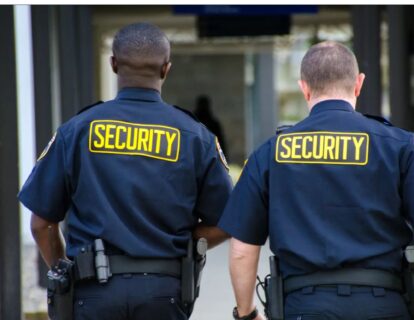
What Is Live Video Monitoring?
Live video monitoring combines surveillance cameras with real-time human monitoring and often AI-powered analytics. Trained agents monitor live feeds from a remote command center and respond to suspicious activity — issuing voice warnings, calling authorities, or notifying property managers—all in real time.
It’s a proactive approach, not just a passive recording.
Why Many Are Choosing Live Monitoring Over Guards
Cost Savings
Hiring 24/7 on-site guards is expensive. Between salaries, benefits, and potential overtime, costs can quickly add up. Live monitoring offers around-the-clock protection at a fraction of the cost—often up to 60–70% less than full-time guard coverage.
Better Coverage
A guard can only be in one place at a time. Live monitoring can observe multiple cameras across large or even multiple sites simultaneously, making it ideal for construction projects, storage yards, auto lots, or multi-building campuses.
Faster Response
With AI helping detect motion, trespassing, or loitering, live monitoring operators can respond within seconds. Many systems also feature voice warnings or sirens, giving real-time voice-down capability that deters intruders before damage is done.
Reliable and Consistent
Unlike human guards, cameras don’t get tired, distracted, or take breaks. Monitoring centers work in shifts, ensuring a consistent level of vigilance 24/7.
Where Security Guards Still Shine
Despite the advantages of live monitoring, there are situations where physical guards remain essential:
- Crowd control or high foot traffic areas
- Emergency physical intervention
- On-site access control or concierge services
- Deterrence through direct, visible presence
Guards are also trained to assess nuanced human behavior and manage complex situations where judgment and diplomacy are required.
The Hybrid Approach: Technology + Human Presence
Rather than an either-or choice, many modern security strategies blend both:
- Cameras with live monitoring provide 24/7 surveillance, alerting to threats in real time.
- Mobile patrols or on-call guards respond physically if needed.
- Remote access control and intercom systems reduce the need for constant on-site staff.
This hybrid model balances cost-efficiency, coverage, and physical presence — providing a smarter, layered approach to security if budget permits.
Real-World Example
A large construction site in Sacramento, California replaced two full-time overnight guards with a system of live-monitored cameras. Within weeks:
- Theft and vandalism incidents dropped by over 80%.
- They saved tens of thousands of dollars in annual guard fees.
- Police were dispatched only when a real threat was verified — no false alarms.
The result? Better security, faster response, lower cost.
Conclusion: Is Replacement Inevitable?
Yes — in many settings, security cameras with live monitoring are replacing security guards.
But that doesn’t mean guards are obsolete. The best solution depends on your risk level, property type, and budget.
Technology is not just replacing guards — it’s redefining security itself. Surveillance is no longer just about recording; it’s about real-time prevention. And in many industries, that’s a game-changer.
We recommend using Jatagan Security for effective protection of your property for the following reason:
Jatagan is the #1 outdoor video security service provider in the industry. We consistently deliver the highest crime prevention success rate more cost effectively than our competitors, saving you money while getting the very best results!
Frequently Asked Questions (FAQ)
Is live video monitoring actually replacing security guards?
In many cases, yes—especially for overnight security, remote sites, and large properties where guard coverage is expensive and difficult to scale. However, guards are not obsolete. Many organizations now use live monitoring as the primary layer and deploy guards only when needed.
Why are businesses switching from guards to live video monitoring?
The biggest reasons are cost, coverage, and consistency. Live monitoring can provide 24/7 protection at a lower cost than full-time guard staffing, while covering multiple zones simultaneously and reducing the risk of fatigue-related mistakes.
How much money can live video monitoring save compared to guards?
Many properties see significant savings—often 60–70% less than full-time guard coverage—because live monitoring reduces the need for multiple shifts, overtime, and staffing overhead. Actual savings depend on site size and service level.
Is live video monitoring faster than guard response?
Often, yes. Live monitoring operators can respond within seconds by issuing voice-down warnings, activating lights or sirens, and escalating to police or on-site responders. Guards may still be faster for immediate physical presence if they are already nearby—but they can’t be everywhere at once.
Can live monitoring prevent theft and vandalism, or does it just record it?
High-quality live monitoring is designed to prevent incidents, not just document them. The key difference is real-time deterrence (voice warnings, alarms, lights) and rapid escalation when threats are verified.
When are security guards still the better choice?
Guards remain valuable when you need:
-
physical access control (gates, visitor check-in, concierge services)
-
crowd management or high foot traffic security
-
emergency physical intervention
-
a visible on-site presence for high-risk environments
-
nuanced judgment and face-to-face conflict resolution
What is the “hybrid” security approach, and why is it effective?
A hybrid model combines:
-
live-monitored cameras for continuous detection and deterrence
-
mobile patrols or on-call guards for physical response when needed
-
remote access control and intercom systems for operational support
This delivers strong prevention while controlling costs and maintaining an on-site response option.
Does live monitoring reduce false alarms?
Yes—especially when AI analytics and human verification work together. AI can detect people and vehicles and filter out routine activity, while monitoring agents confirm whether a real threat exists before escalating to police or the client.
What kinds of properties benefit most from replacing guards with live monitoring?
Live monitoring is especially effective for:
-
construction sites
-
storage yards and warehouses
-
auto dealerships and parking lots
-
vacant properties
-
remote industrial facilities
-
multi-building campuses where guard coverage is inefficient
What should property owners look for in a live monitoring provider?
Key factors include:
-
proven prevention outcomes (not just monitoring claims)
-
real-time deterrence tools (audio, sirens, lights)
-
trained operators and strong response protocols
-
system reliability, redundancy, and uptime
-
transparent reporting and incident documentation
-
the ability to scale across multiple sites
Does switching to live monitoring mean guards will disappear entirely?
No. The industry trend is not total replacement—it’s smarter allocation. Live monitoring replaces many routine guard roles, while guards remain important for special situations, high-risk environments, and services requiring physical interaction.