


Table of Contents
Overview
Why Are Residential Subdivisions Targeted?
Top Strategies to Prevent Theft and Vandalism in Residential Subdivisions
Secure the Perimeter and Entry Points
Use Surveillance Cameras
Install Lighting
Lock and Secure Equipment and Materials
Use GPS Tracking for Vehicles and Tools
Create a Daily Security Routine
Engage the Local Community
Delay Deliveries and Avoid Stockpiling
Hire Professional Security Service
Conclusion
Frequently Asked Questions (FAQ)
Overview
Protecting residential subdivision construction projects is challenging as they are uniquely vulnerable to theft and vandalism. With open perimeters, unoccupied structures, and a steady flow of workers and subcontractors, these sites become attractive targets for criminals looking to steal tools, appliances, copper wiring, or even newly installed HVAC units.
Losses from theft and vandalism can lead to project delays, higher costs, and safety hazards—all of which hurt your bottom line and reputation.
Fortunately, there are some steps you can take to secure your subdivision construction project and deter unwanted activity.
Why Are Residential Subdivisions Targeted?
Unlike high-rise or commercial builds, residential subdivisions often:
- Span large, open tracts of land
- Include dozens of homes in various stages of completion
- Have limited perimeter security
- Sit in remote or partially occupied areas
This makes it easier for criminals to enter undetected, target valuable materials or equipment, and leave before anyone notices.
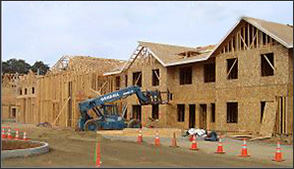
Top Strategies to Prevent Theft and Vandalism in Residential Subdivisions
1. Secure the Perimeter and Entry Points
Even with large subdivisions, fencing key entry points (if possible) can limit unauthorized vehicle and foot access.
- Use temporary fencing around active building zones
- Install gated entry points for construction traffic with check-in/check-out logs
- Post “No Trespassing” and “24-Hour Surveillance” signs at visible locations
2. Use Surveillance Cameras
For multi-home construction sites, you may consider installing cameras:
- At site entrances and key streets
- Install cameras on trailers or light poles with solar or battery backup
- Use AI-enabled cameras that send real-time alerts when they detect unauthorized motion after hours. However, there can be still a high volume of alerts (including false ones) and someone must monitor and respond to them to be meaningful.
3. Install Lighting
Well-lit areas are far less attractive to criminals.
- Use motion-activated lights around trailers, equipment, and model homes
- Install solar-powered lighting along roadways or staging areas
- Light all access points, storage areas, and cul-de-sacs
4. Lock and Secure Equipment and Materials
Many subdivision sites suffer from opportunistic theft simply because items are left out.
- Store tools in locked containers or gang boxes
- Chain or immobilize heavy machinery and trailers
- Delay installation of high-value items (like appliances or HVAC units) until right before occupancy
- Lock new homes even if they are unfinished—especially once doors and windows are installed
5. Use GPS Tracking for Vehicles and Tools
Thieves often target skid steers, trailers, and even company pickups.
- Equip heavy machinery and service vehicles with GPS trackers
- Use asset tracking tags for expensive tools and generators
- Display “GPS Tracked” stickers as a visible deterrent
6. Create a Daily Security Routine
Criminals often “case” sites for several days before striking. A solid routine shows them the site is being actively managed.
- Perform end-of-day walkthroughs to secure equipment, close homes, and lock containers
- Have a supervisor check that lights and cameras are functioning
- Keep a daily log of contractor check-ins and deliveries
7. Engage the Local Community
Neighbors are powerful allies. Once homes are partially occupied, alert homeowners to report suspicious activity.
- Provide residents with a site contact or security number
- Partner with local neighborhood watch groups or HOA boards
- Reward tips that help recover stolen items or prevent damage
8. Delay Deliveries and Avoid Stockpiling
Copper, lumber, and high-end fixtures can attract thieves if left unattended.
- Schedule deliveries as close to install time as possible
- Keep material staging areas well-lit and camera-monitored
- If storing appliances or HVAC units on-site, use locked garages or temporary enclosures
9. Hire Professional Security Service
For high-value subdivisions or projects in crime-prone areas, consider mobile security patrols or overnight guards. However, the effectiveness and consistency of guard service is questionable and the cost can be substantial.
Using a live video monitoring service can reduce the cost significantly. The actual result from video security companies varies greatly: from close to being useless to very effective. Finding a vendor with a proven track record of top success rate is the way to go.
Conclusions
Protecting residential subdivision construction projects is not easy—but taking a layered, proactive approach can greatly reduce risk. Thieves look for soft targets; your goal is to make your site too much trouble.
With the right mix of physical security, surveillance, controlled access, community engagement, daily routines and professional security service if appropriate, you can protect your project timeline, budget, and reputation.
We recommend using Jatagan Security for effective protection of your subdivision construction project for the following reason:
Jatagan is the #1 outdoor video security service provider in the industry. We consistently deliver the highest crime prevention success rate more cost effectively than our competitors, saving you money while getting the very best results!
Frequently Asked Questions (FAQ)
Why are residential subdivision construction sites targeted more than other projects?
Residential subdivisions often cover large open areas with limited perimeter security. With many homes at different stages of completion, unoccupied structures, and valuable materials on-site, criminals can enter, steal, and exit quickly—often without being noticed.
What items are most commonly stolen from subdivision construction projects?
Theft frequently includes:
tools and gang boxes
copper wiring and plumbing materials
appliances
HVAC units (newly installed condensers)
generators and compressors
skid steers, trailers, and other mobile equipment
lumber and high-end fixtures
What’s the most effective first step for securing a subdivision job site?
Start with entry control. Even if you can’t fence the entire site, securing key entry points with gates, logs, and signage makes the project feel monitored and controlled—reducing opportunistic access and increasing the risk for intruders.
Are cameras enough to stop theft in subdivisions?
Not by themselves. Record-only cameras often just document the incident. For real prevention, cameras should be paired with:
AI detection that identifies people and vehicles
live monitoring or rapid response protocols
strong lighting and signage
deterrence tools (sirens, lights, audio warnings)
The combination is what actually stops theft and vandalism.
Why can AI alert-only camera systems still be ineffective?
Because alerts don’t prevent crime unless someone responds immediately. Subdivision sites can generate a high volume of alerts (including false ones), and most project teams can’t respond 24/7. Without consistent monitoring and fast action, alerts become noise.
What type of lighting works best for subdivision construction sites?
Motion-activated floodlights are effective around:
trailers and storage containers
model homes
equipment parking areas
cul-de-sacs and access points
Solar-powered lighting is also valuable where power infrastructure isn’t available yet. The goal is to eliminate dark zones without creating glare or deep shadows.
When should high-value items like appliances and HVAC units be installed?
As late as operationally possible. Installing appliances, HVAC units, or copper-heavy components too early creates high-risk targets. Delaying installation until close to occupancy reduces exposure time and lowers theft risk significantly.
How can daily routines reduce theft and vandalism?
Criminals often watch a site for patterns. A consistent closeout routine signals the site is actively managed. Best practices include:
end-of-day walkthroughs
locking homes, containers, and gates
verifying lighting and camera health
logging deliveries and contractor activity
securing tools and materials every day (no exceptions)
How does community engagement help protect a subdivision project?
Neighbors and early residents can be a powerful extra layer of detection. Giving them a direct contact number and encouraging reporting makes the site feel watched and increases the chance of early intervention.
Do GPS trackers actually deter theft?
Yes—especially when paired with visible “GPS Tracked” stickers. GPS recovery capability increases risk for thieves and improves your ability to retrieve stolen machinery, trailers, and tools.
Is hiring security guards the best option for subdivision sites?
Not always. Guards can help, but quality and consistency vary, and cost can be high. Many projects achieve stronger results with a combination of:
live video monitoring
strong lighting
secure storage and access controls
patrols only when needed
The best approach depends on site size, layout, and local risk levels.
What’s the best overall strategy to reduce theft and vandalism in a residential subdivision?
Use layered protection:
entry control + signage
lighting + visibility
monitored surveillance with real-time deterrence
secure storage and delayed installation of high-value items
daily routines + community awareness
The goal is to make the subdivision a “hard target” that criminals avoid.